
Georgetown County Bench Warrants Explained
A bench warrant grows out of something that happened in court, not out of a new charge. The trigger might be a missed setting, a failure to comply with an order, or contempt. Georgetown County uses the term directly for Family Court purge-payment matters. A skipped traffic date can turn into a bench or FTA problem too, right in the court that set the ticket. The issuing court controls whether the warrant is still open and what will resolve it. That differs from an arrest warrant, which starts a fresh criminal charge. Before trusting a general search result, ask the clerk or a lawyer to identify the right Georgetown County court.
Georgetown County Has Eight Magistrate Systems
Georgetown County runs eleven court systems, the State Auditor's report shows, and eight of them are magistrate courts. Those offices take traffic, summary criminal, bond, preliminary, and other local matters. A missed lower-court date may stay with its own magistrate rather than surface at the circuit Clerk's counter.
Count offices, not warrants. Georgetown County publishes no current public count of active bench warrants.
How Georgetown County Bench Warrants Are Issued
What leads a judge to sign bench process? Usually an event in the case: a missed hearing, ignored order, or contempt. In a magistrate criminal matter, the case itself begins with a sworn information under South Carolina law, and that charging step is separate from the later event that may bring a Georgetown County bench warrant. Check the case events in the Public Index if the file is public. Then call the court for the order and the next step. Keep in mind the index can lag or omit restricted records. A blank result does not confirm that no process issued. S.C. Code §22-3-710 governs sworn information and magistrate criminal proceedings.
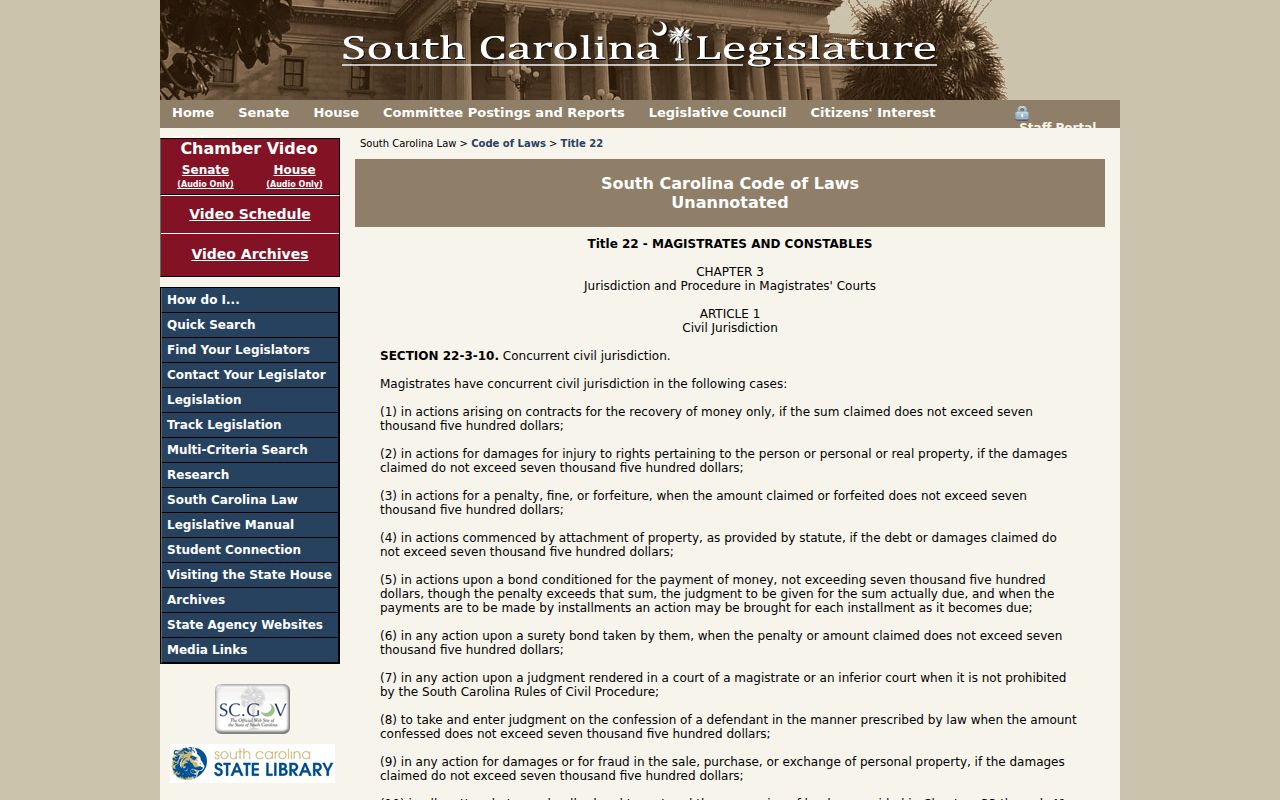
That statute is the state-level starting point for how a magistrate case begins in Georgetown County. For any specific warrant, the issuing court explains what it requires.
Georgetown County Family Court Bench Warrants and Purge Payments
Georgetown County Family Court handles support and family matters, and its bench warrants often involve a purge payment. The county Clerk FAQ is explicit: a purge amount ordered after a Family Court appearance or warrant goes to the Clerk, not to the State Disbursement Unit. Ordinary support payments travel a different route. Call the Clerk's Family Court contact to confirm the order, the amount, and the payment location. Do not assume a routine support payment satisfies a purge requirement. Paying the purge alone may not end the underlying case either, so ask what hearing or compliance step remains. The county Clerk FAQ explains the Family Court purge-payment distinction.
Family Court staff or your lawyer can explain how a Georgetown County order applies to your case.
Bench Warrants and Arrest Warrants Compared
Both kinds of process can end in an arrest, but they start differently. A bench warrant answers a court event; an arrest warrant opens a criminal charging and probable-cause process. In Georgetown County, the issuing court and the case papers tell you which route applies.
| Question | Bench Warrant | Arrest Warrant |
|---|---|---|
| Trigger | Missed date, contempt, or noncompliance | Criminal charge and judicial process |
| First contact | Court that set the hearing | Issuing court and Sheriff’s Warrants Unit |
| Possible next step | Reset, appearance, payment, recall, or bond | Attorney-assisted appearance, surrender, and bond inquiry |
Note: Georgetown County offers no universal recall form and no standard bond table for these matters.
Georgetown County Bench Warrants After a Missed Setting
Missed your court date? Use the date and court listed on the notice to find the file. A Georgetown County magistrate or city court can tell you whether the judge ordered a bench warrant, whether a new date is possible, and whether counsel should request a recall. The Sheriff may serve the process, but the recall terms belong to the court, not the Sheriff. When the online index shows only a missed event, call the clerk instead of guessing what the entry means. Ask which case number to use, whether the warrant is still active, and whether payment alone satisfies the order. Keep the next hearing date with any receipt or written instruction.
- Locate the issuing court and case number.
- Ask what event led to the order and what the judge requires.
- Confirm the proper way to appear, pay, request a reset, or seek recall.
Resolving a Georgetown County Bench Warrant
Resolution depends on the court and the reason for the warrant. A traffic or municipal case may need a court date, a payment, a reinstatement amount, or a judge's review. Family Court may require a purge payment through the Clerk. A General Sessions issue may call for an attorney to arrange a motion or appearance. Ask the court whether you must appear in person and whether counsel should contact the judge. If the court directs a surrender, confirm the intake location and bond process with the Warrants Unit or the detention center first. Georgetown County promises no safe-surrender window and no same-day release.
Do not pay a caller who says a warrant can be removed by phone. Verify the case and payment channel with the issuing court using a published number.
The Georgetown County warrant overview collects the county’s confirmation, bond, and scam-safety steps.
Georgetown County’s Andrews Warrant Court Choice
Two courts sit near North Morgan Avenue in Andrews, and picking the wrong one wastes a call. Andrews Municipal Court handles city ordinance cases and city traffic tickets. Andrews Magistrate, part of Georgetown County's magistrate system, takes county summary citations instead. Check the court name printed on your ticket before you ask about a reset or a bench warrant confirmation. The municipal office answers at (843) 264-8666 and sits at 101 North Morgan Avenue. Andrews Magistrate is next door at 110 North Morgan Avenue, reachable at (843) 545-3631. Each court keeps its own docket, so a warrant issued by one will not show in the other's files.
| Andrews Municipal Court | City ordinance and qualifying city matters, (843) 264-8666. |
|---|---|
| Andrews Magistrate | County summary and traffic matters, (843) 545-3631. |
Note: Similar street names do not mean the same court holds both case types.
Finding the Court That Issued the Warrant
A Georgetown County bench warrant can sit in more than one place. General Sessions holds some, and a magistrate, a municipal court, or Family Court may hold the rest. The Georgetown County Clerk at the courthouse keeps the circuit and family files. Summary and municipal matters, though, stay with the specific court that heard them, so the court that issued the warrant is the office to call. The South Carolina Judicial Branch posts directories for Georgetown magistrate and municipal courts, and a case paper, a Public Index event, or the directory itself can tell you which phone to dial. If that court cannot confirm a county arrest warrant, turn to the Sheriff's Warrants Unit at (843) 546-5102 as the county contact.
Georgetown County Clerk of Court
401 Cleland Street, Georgetown
(843) 545-3215
South Carolina Court Directories
Magistrate and municipal office listings
The Judicial Branch Georgetown page lists the courthouse and court network.
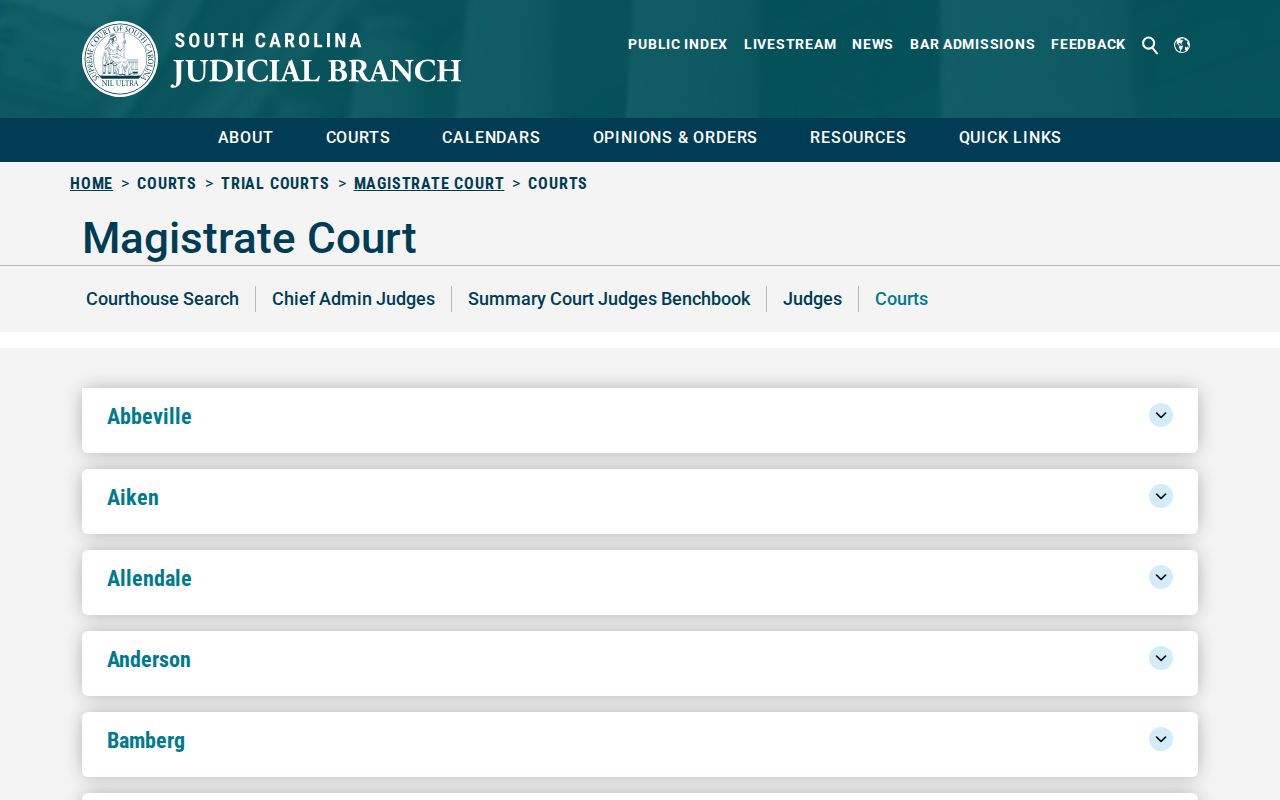
The directory helps distinguish a county magistrate office from a city municipal court.
Recall and Court Status Confirmation
Paying a fine or setting a new court date does not, by itself, end a Georgetown County bench warrant. Your lawyer can request action too, and the warrant can still stand. Ask the issuing court to confirm any recall order and to say when the Sheriff or the serving agency will get the update. Keep the receipt, the written order, or a case note. No single recall or quash form, filing fee, or uniform process covers every court here. A lawyer can pick the right motion and coordinate it with the court. The Clerk FAQ lists copy and certification fees for public records, but those are not warrant-recall charges. South Carolina FOIA governs access to non-exempt public records, while the court alone decides the legal status of its warrant.